


And if we wanted to find two words, just two words, to talk about Pisciotta?
They wrote that it resembles a kind of bridge. A bridge capable of connecting different dimensions, sometimes even in contrast. The sea and the land, for example; but also the past and the future, which take shape here as a well-preserved 'yesterday' and a 'tomorrow' not always easy to imagine, but certainly challenging. Above all, however, Pisciotta is a vibrant place. Vibrant because it has a deep awareness of its cultural diversity; because it's inhabited by a Community that gives shape and breath to that diversity; and, more than anything else, because this village doesn't resign itself or succumb to the threat of depopulation.
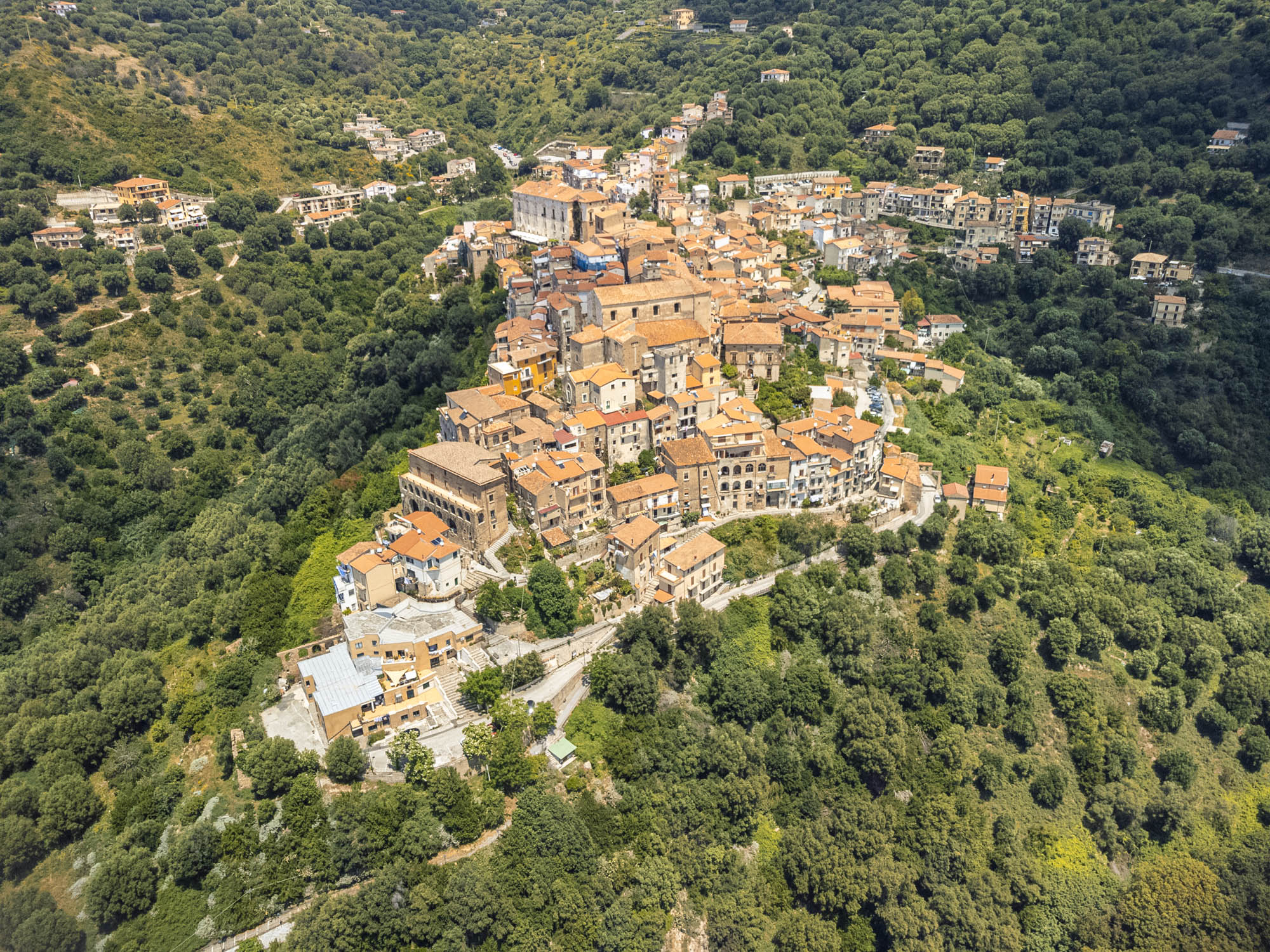
Where the sky ends, that's where the land begins.
You say a village, but Pisciotta seems like something more. A complex system, made of land, sea, and skies. Skies, indeed: because they change, just like the seasons change. And then the land, which isn't just land: but a mixture of beauty, time, will, and tenacity. Beauty is a gift that Pisciotta has carried with it, always. Time, guided by the hands of humans, has enriched the land with additional beauty: historic villages perched on the sea; not just narrow alleys and small squares, but also churches, noble chapels, and aristocratic palaces.
And then the will to make that land ever more fertile: with agriculture that, century after century, has shaped and organized the territory through kilometers of dry stone walls, terraces, and small pathways. A piece of the world, meticulously organized, revolving all around it: the Pisciotta olive, His Majesty, which could never grow so well, bear so much fruit, become centuries-old if the people here weren't extraordinarily tenacious.

Summer sea, fishing sea; a sea of stories and traditions.

Where the land ends, that's where the sea begins.
Summer sea, a fishing sea; a sea of stories and traditions. A sea for everyone, because many different seas are within a single, boundless blue sea. For many, Pisciotta is a vacation: the sandy beaches are beautiful, the waters clear. However, here, the sea also signifies hard work: that of the fishermen, who engage in the toughest and most beautiful job in the world. They are capable of keeping precious traditions alive, which have been lost elsewhere.
Fishing with the "menaica," a unique mesh net, now practiced only here: from April to July, on calm sea days. With the same passion, the last shipwright continues his work. In his hands, many old wooden boats find a new lease on life. And new Latin sailboats set out to sea for the first time, proudly carrying the marks of ancient knowledge.